FIAT LUX – Latin for “Let There be Light” – Genesis 1:3
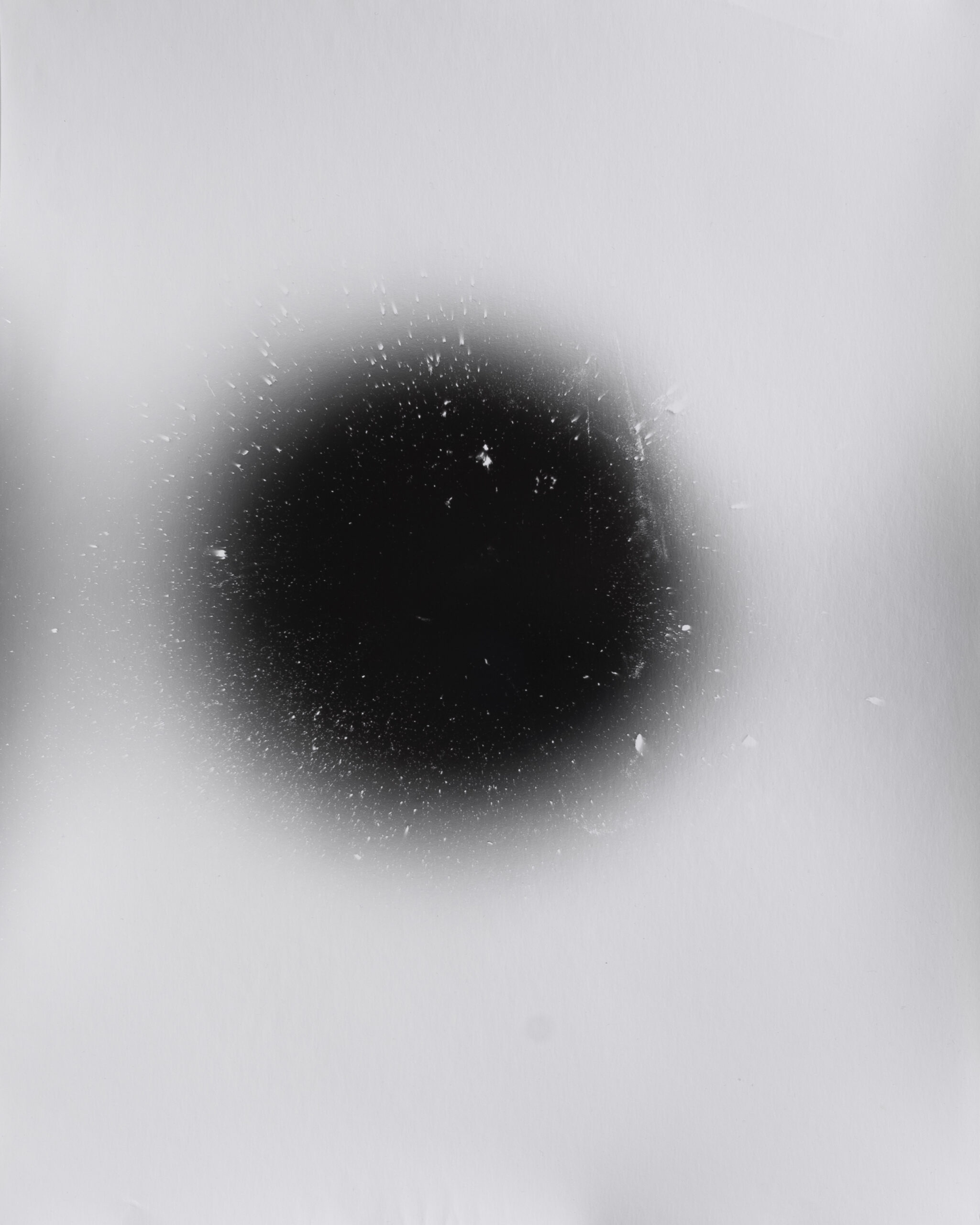
Inspired in part by the illustrations of Robert Fludd (1574-1637), FIAT LUX considers personal and artistic growth, along with concepts of “light” in general. Photographers by necessity are incredibly concerned with light. FIAT LUX utilizes standard photographic materials in unconventional ways as a means to explore “LIGHT” as a broader concept.
These images are the result of making something new from something old – photographs that were in some way unsatisfactory. Photographs previously made using the wet plate collodion process were stripped of their emulsion, leaving a piece of plain glass. Edward Weston did this at a turning point in his photographic career, then using the glass to build a greenhouse. My approach has been similar, but rather than retain the glass I have taken the scrapings of flammable collodion (also known as gun cotton), laying them on a piece of photographic paper in a darkened room. The pile of shavings which once constituted an image is then lit on fire, exposing the photographic paper and thereby creating something brand new – a unique photographic print, marking the destruction of an old photograph and the birth of a unique photographic print.
Inspiration, considerations and context
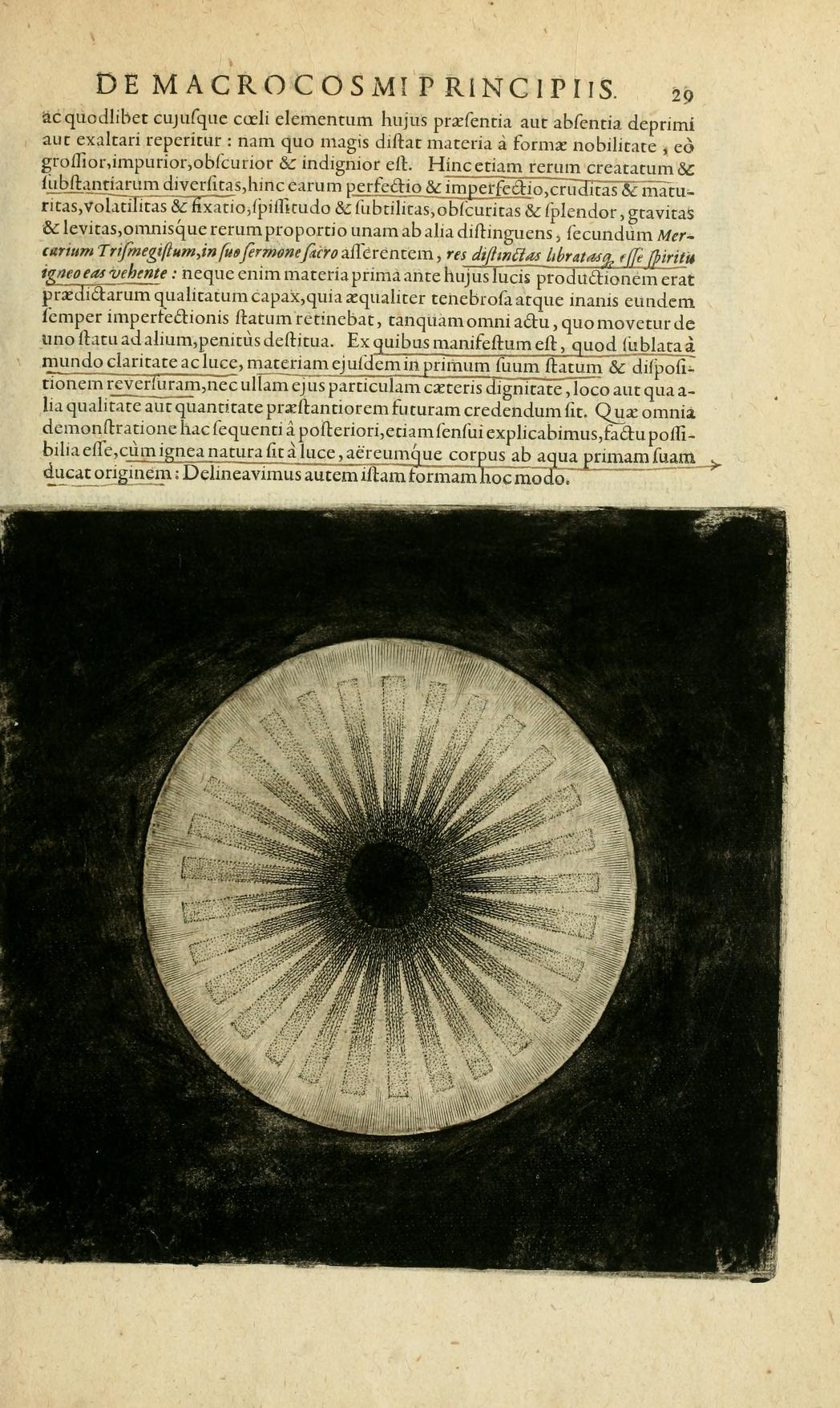
Two images from Utriusque Cosmi Maioris Scilicet et Minoris Metaphysica, Physica atque Technica Historia
Robert Fludd, 1617
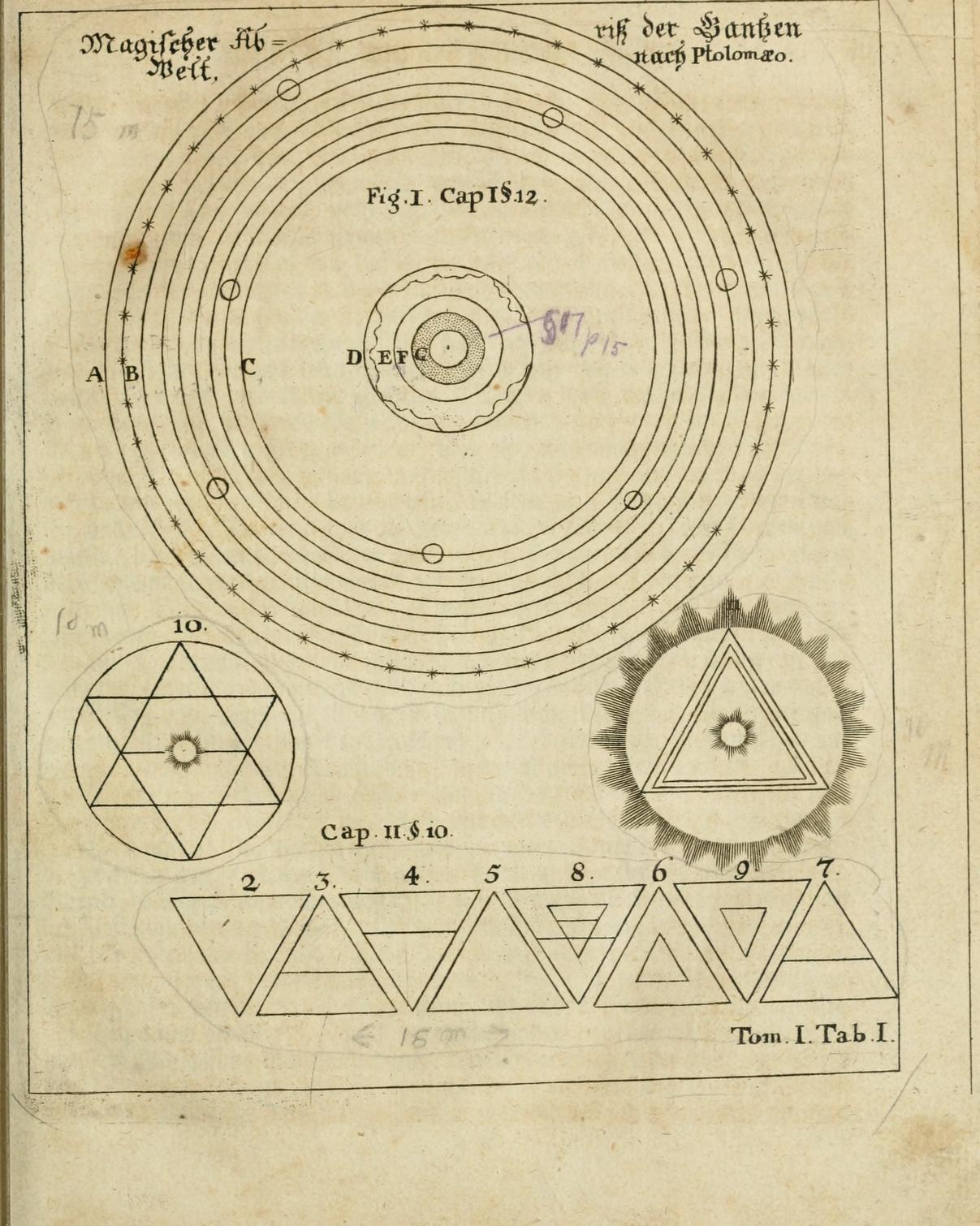
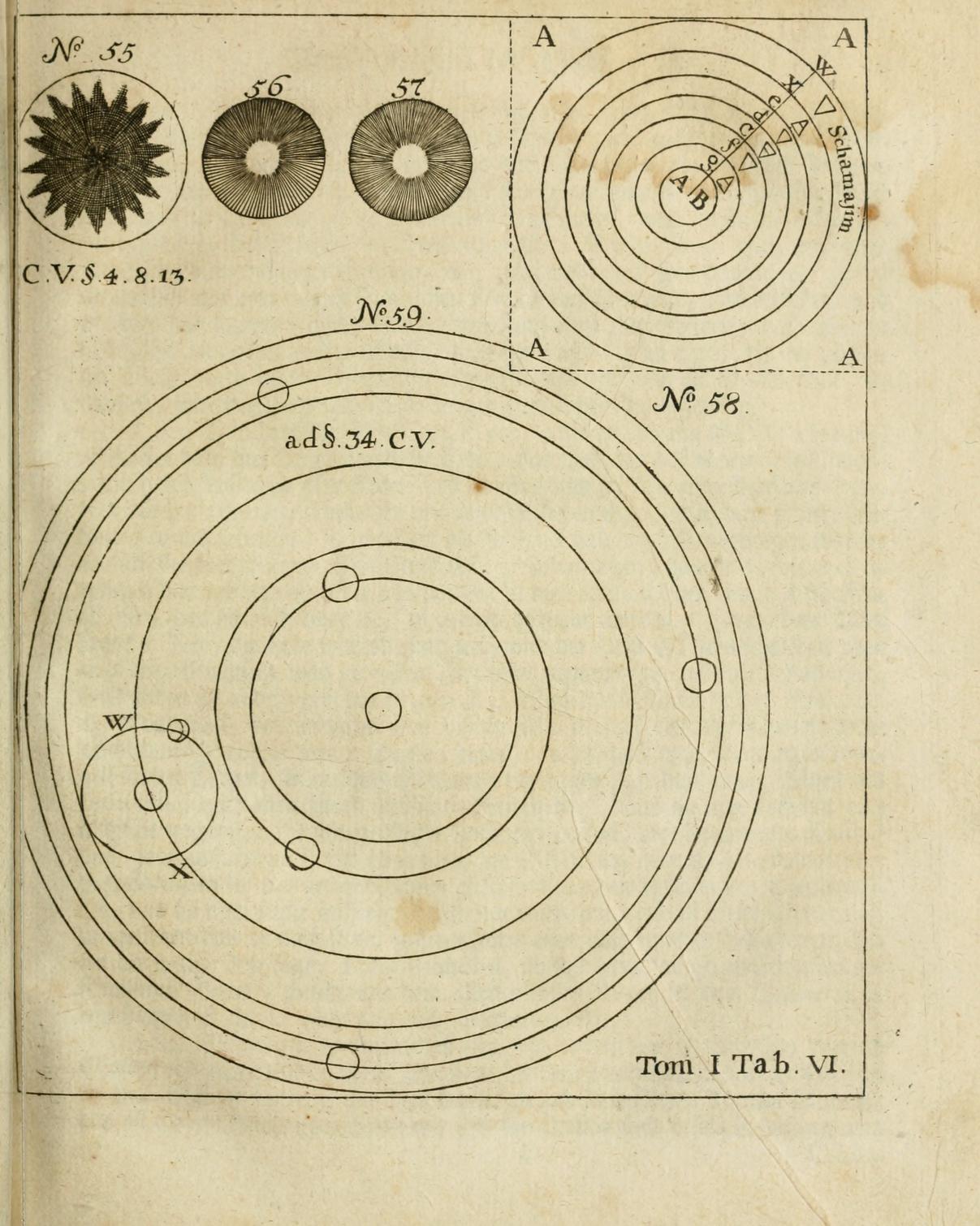
Two diagrams relating to Genesis and Lucifer, from Opus mago-cabbalisticum et theosophicum : darinnen der Ursprung, Natur, Eigenschaften und Gebrauch des Saltzes, Schwefels und Mercurii in dreyen Theilen beschrieben by Herrn Georgii von Welling
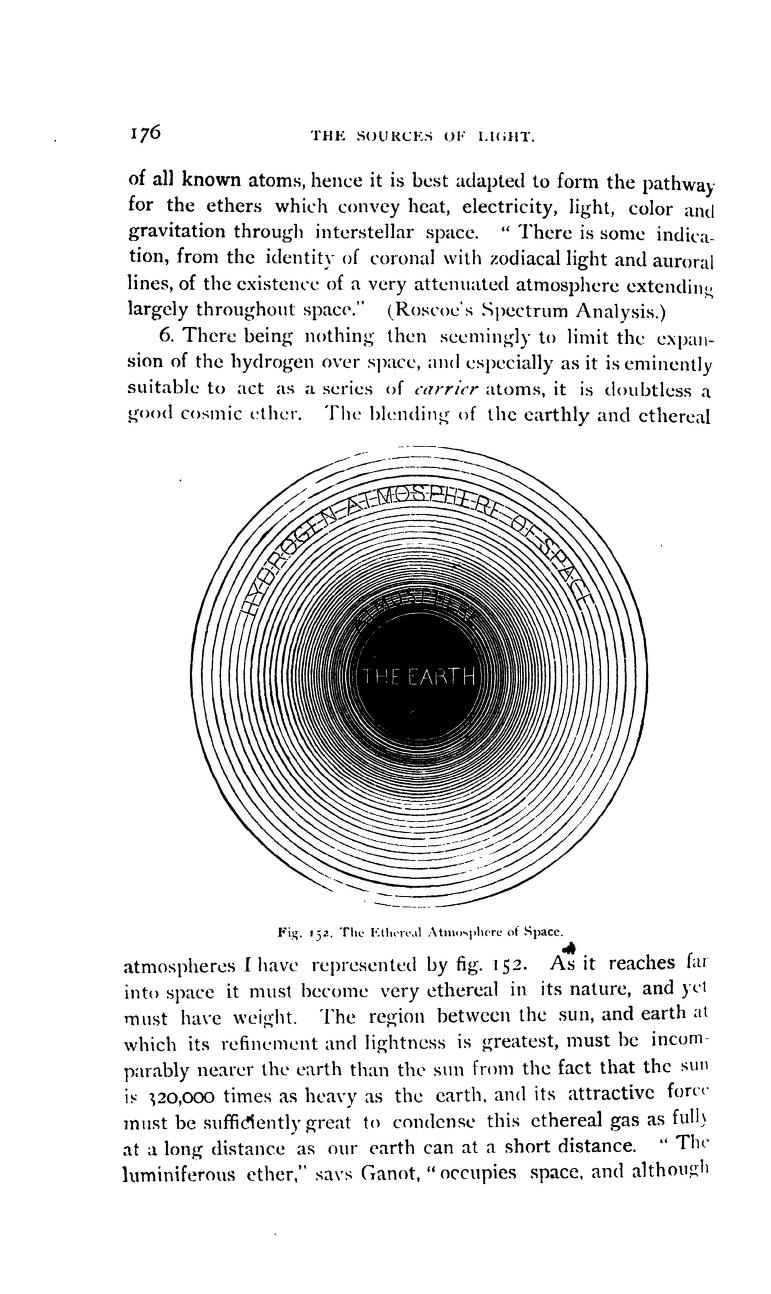
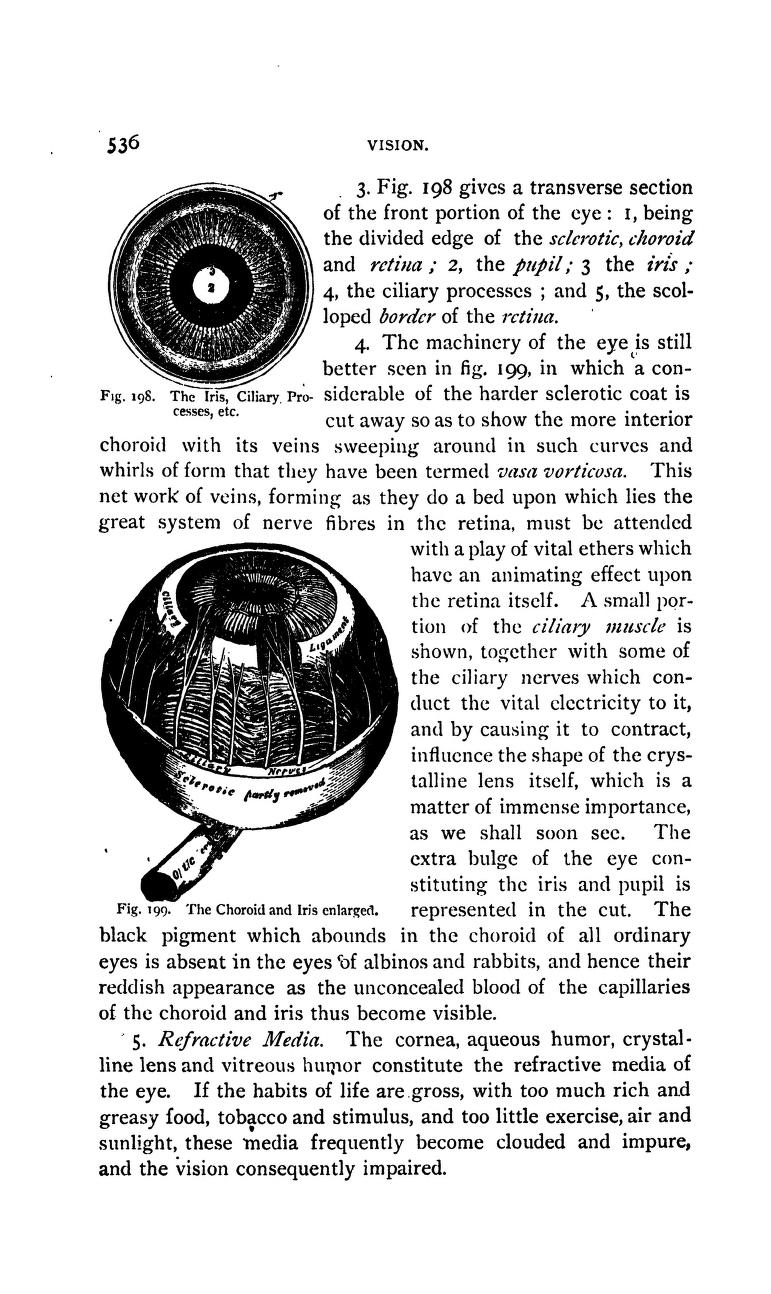
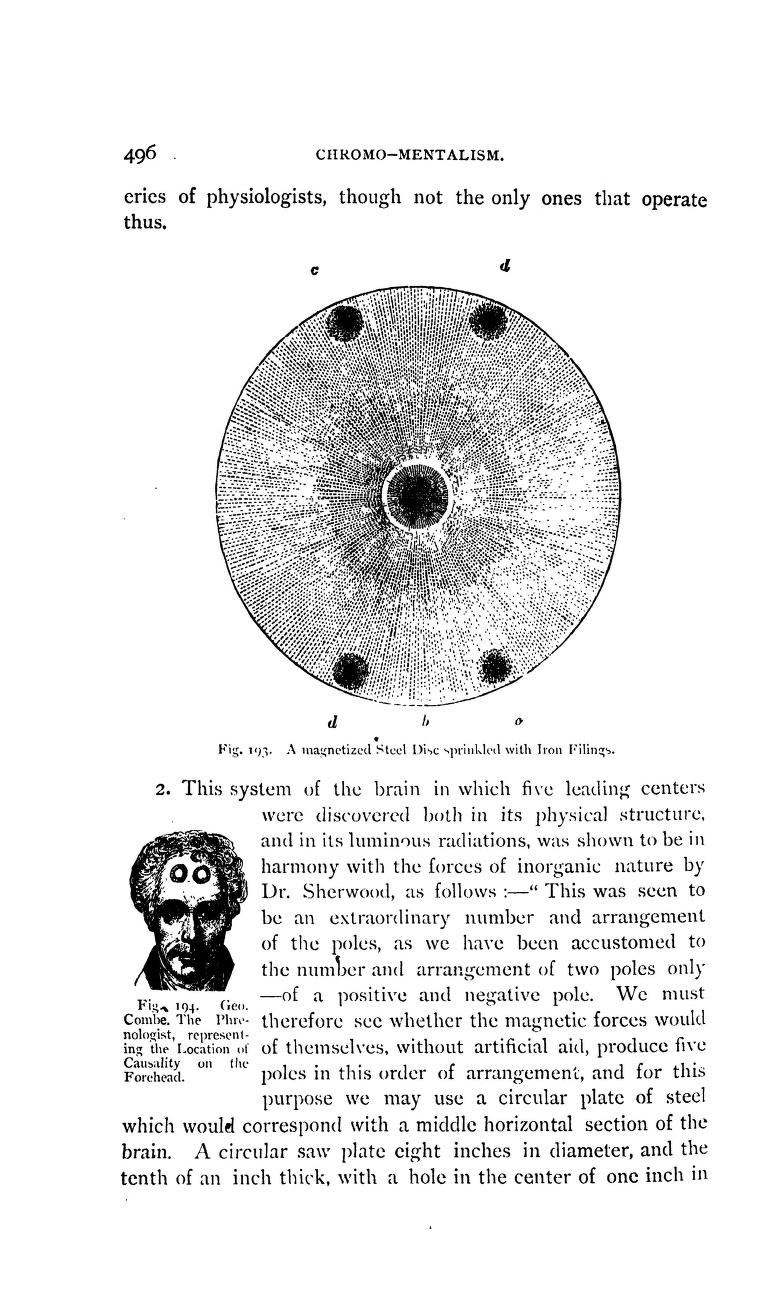
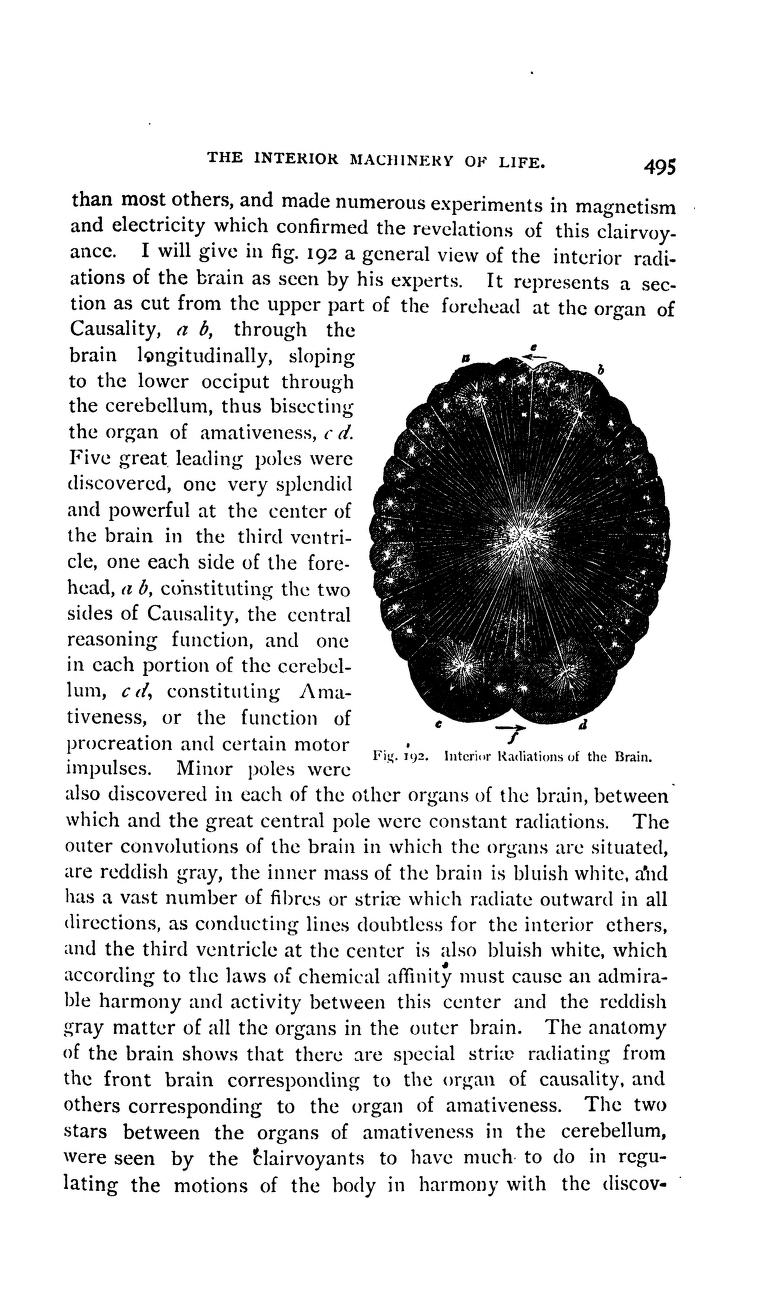
From The Principles of Light and Color, Edwin D. Babbitt, 1895
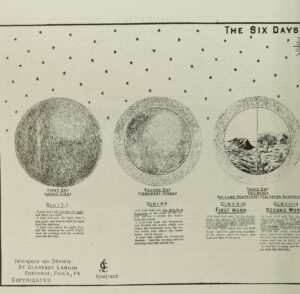
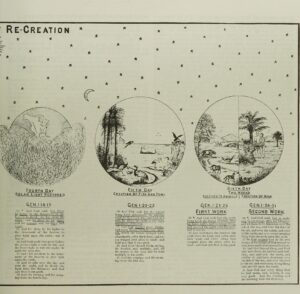
From Dispensational Truth: Or, God’s Plan and Purpose in the Ages by Phillip Larkin, 1920
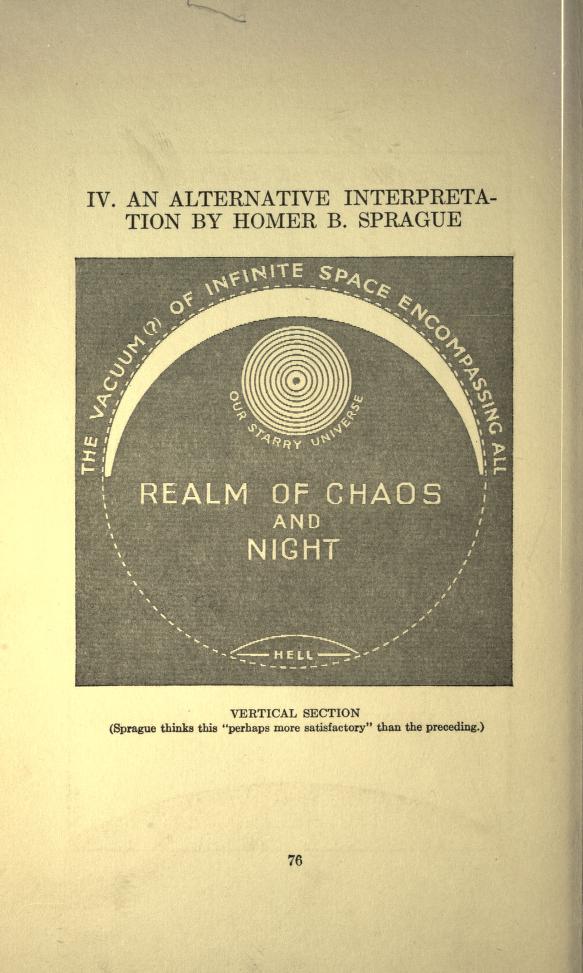
From The Universe Pictures in Milton’s Paradise Lost; An Illustrated Study for Personal and Class Use, William Fairfield Warren, 1915
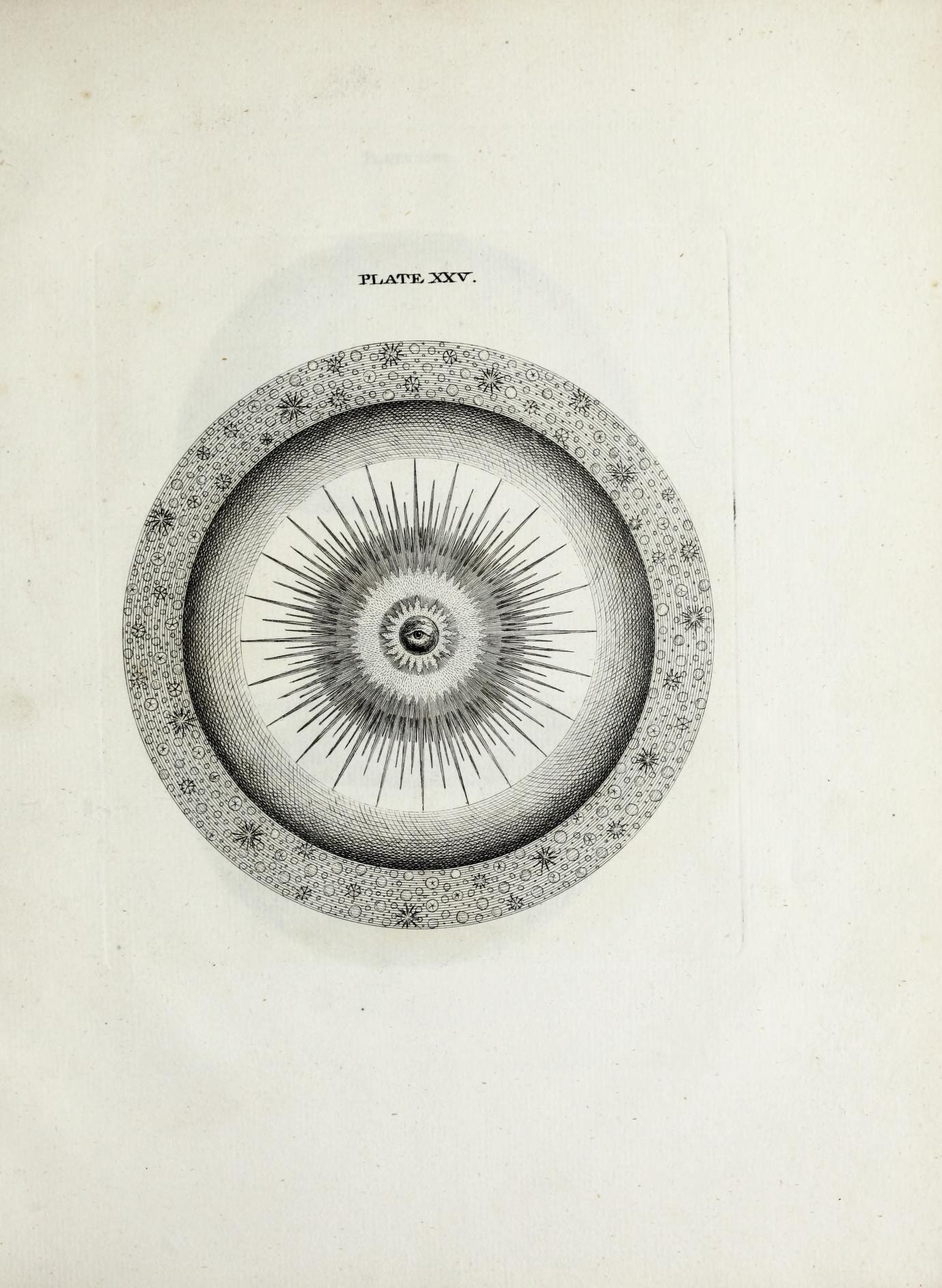
From An Original Theory or New Hypothesis of the Universe, Thomas Wright, 1750
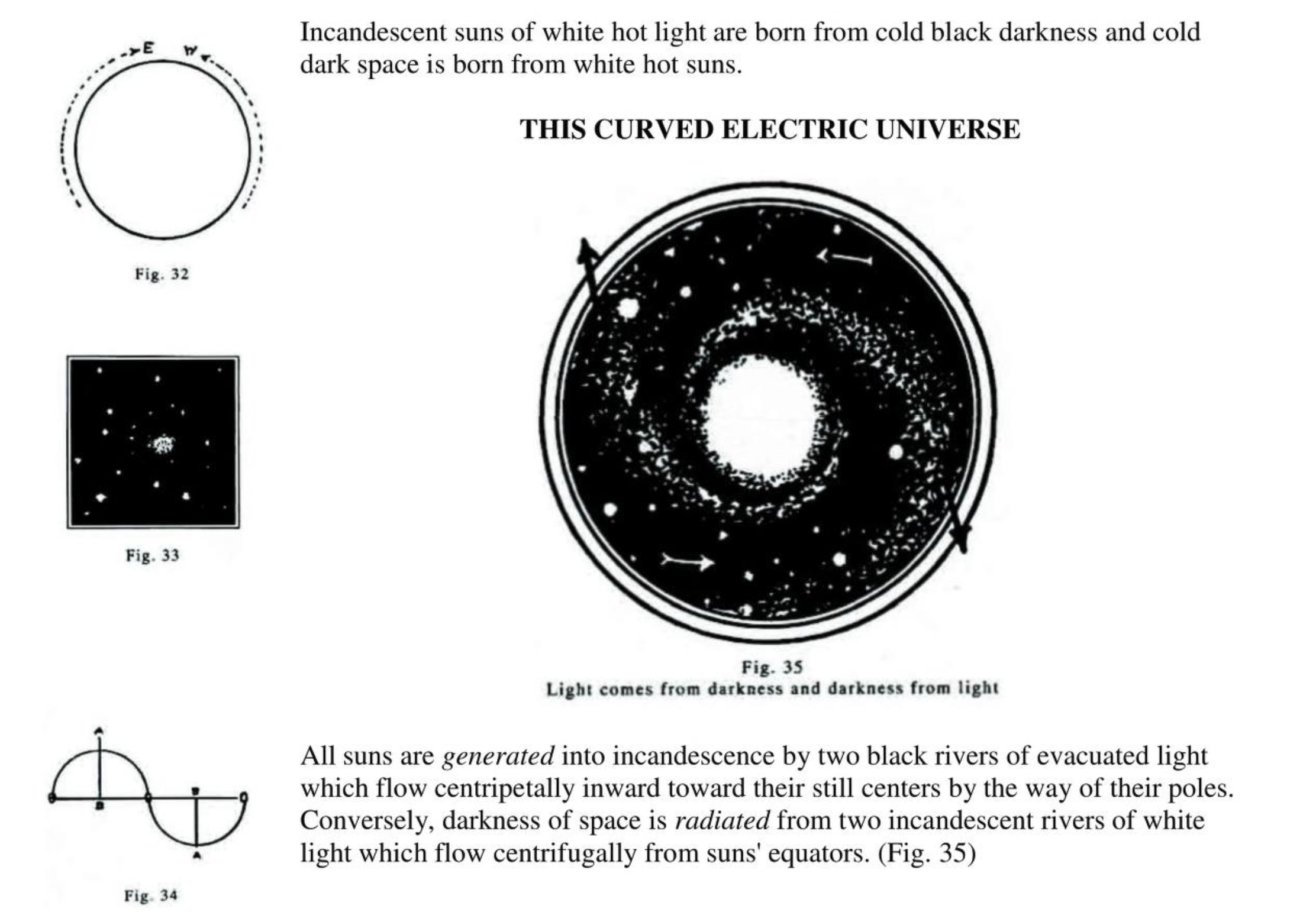
From The Secret of Light, Walter Russell, 1974
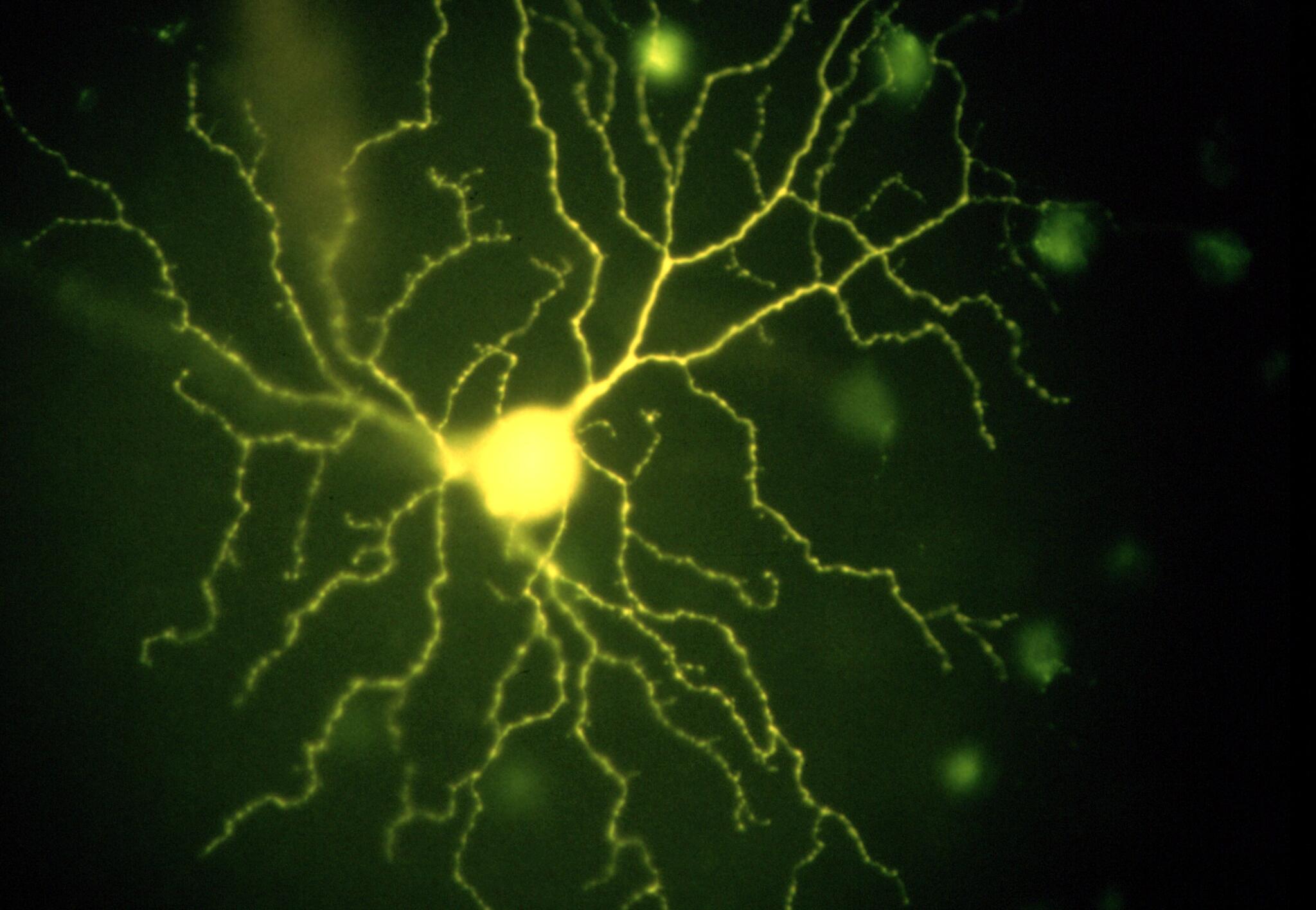
“Loose” gamma ganglion cell from the retina of a ferret. The cell was labelled by injecting it with the fluorescent dye lucifer yellow. Ganglion cells make up the optic nerve and carry the signals from the retina to the brain. Richard Wingate, from the Wellcome Collection
From The Philadelphia Photographer, 1864. Engraving reproductions of what are generally considered the first photographs of a human retina. Jackman & Webster